
Warehouse Labeling Essentials: How Proper Labeling Improves Organization, Safety, and Efficiency
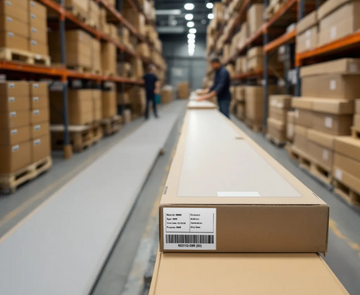
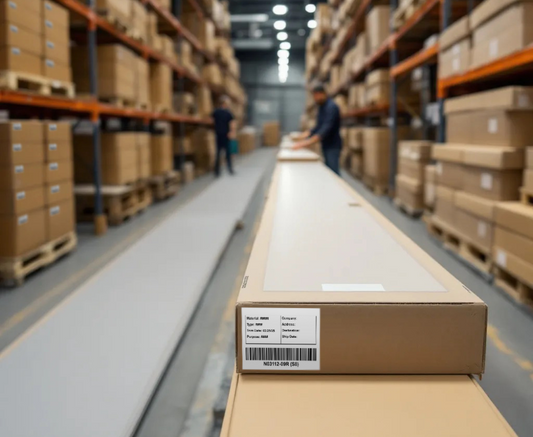
Warehouse labeling is a critical component of efficient, safe, and accurate warehouse operations. In fast-paced warehouses, manufacturing plants, and industrial facilities, clear labeling systems help employees quickly identify products, storage locations, hazards, and shipping information.
From inventory labeling and warehouse organization to safety signage and shipping labels, proper facility labeling reduces errors, increases productivity, and supports regulatory compliance. In this guide, we’ll cover the essentials of warehouse labeling, best practices, and the tools needed to create an effective labeling system.
1. Warehouse Organization and Location Labeling
Why Warehouse Organization Labels Matter
One of the most important functions of warehouse labeling systems is organization. A well-labeled warehouse allows workers to locate inventory quickly, reduces picking errors, and improves overall workflow efficiency.
Common warehouse organization labels include:
✅ Aisle and row labels
✅ Shelf and rack labels
✅ Pallet location labels
✅ Bin and parts container labels
✅ Zone labels (cold storage, surplus, obsolete inventory)
Clear warehouse identification labels ensure inventory remains organized and easy to find throughout receiving, storage, and order fulfillment.
Best Practices for Storage Location Labeling:
🔹 Use large, high-contrast labels for aisles and racks
🔹 Standardize label formats across the facility
🔹 Choose durable materials for dusty or cold environments
🔹Label both the location and the contents
2. Product Labeling and Inventory Identification
Product Labels in Warehouse Operations
Product labeling in warehouses provides essential information such as item numbers, descriptions, SKUs, and storage locations. These labels support inventory accuracy, traceability, and faster order fulfillment.
Inventory labeling methods include:
✅ Text-based labels
✅ Barcode labels
Barcode Inventory Labeling
Barcode labeling systems improve inventory tracking by reducing manual data entry and transcription errors. When integrated with warehouse management software, barcode labels streamline receiving, picking, and shipping.
3. Handling Instructions and Special Storage Labels
Importance of Handling and Compliance Labels
Many products require special handling or storage conditions. Without clear labeling, these requirements can be missed, resulting in damaged inventory or safety incidents.
Common industrial labeling examples include:
✅ Fragile labels
✅ Hazardous material (GHS) labels
✅ Temperature-sensitive storage labels
✅ Expiry date and shelf-life labels
✅ “Do Not Thaw” or “This Side Up” labels
Proper handling labels help warehouses maintain compliance, protect products, and ensure employee safety.
4. Bulk Packaging and Unit Measurement Labels
In distribution and retail warehouses, inventory is often packaged in cases or pallets. Unit measurement labels clearly identify how many items are contained in each package.
Benefits of unit measurement labeling:
🔹 Faster counting and shipping
🔹 Improved inventory accuracy
🔹 Reduced shipping errors
This type of warehouse labeling is especially important for bulk shipments to retail locations or distribution centers.
5. Custom and On-Demand Warehouse Labels
Not all labeling needs can be planned in advance.
Warehouses frequently require custom labels for workflow control, including:
✅ “Hold for Customer”
✅ “Supervisor Approval Required”
✅ “Ship Complete With Item X”
On-demand facility labeling allows teams to adapt quickly while maintaining clear communication throughout the warehouse.
6. Shipping and Receiving Labels
Shipping Labels in Warehouse Operations
Shipping and receiving are core warehouse functions, making shipping labels essential. These labels ensure packages are properly identified, tracked, and delivered accurately.
Shipping labels typically include:
🔹 Destination information
🔹 Tracking barcodes
🔹 Carrier compliance details
High-volume warehouses often rely on dedicated shipping label printers to maintain speed and consistency.
7. Warehouse Safety Labeling and Signage
Why Safety Labeling Is Critical
Warehouse safety labeling protects employees and visitors by clearly communicating hazards, traffic flow, and operational rules. Industrial facilities are busy environments with forklifts, machinery, and elevated storage areas, making safety signage non-negotiable.
Common warehouse safety labels and signs include:
✅Equipment warning labels
✅Forklift and machinery signage
✅Pedestrian walkway markings
✅Emergency exit and evacuation signs
Clear safety labeling reduces accidents, supports compliance, and creates a safer work environment.
Choosing the Right Label Printers for Your Facility
Different labeling needs require different tools. Below are three highly effective label printers commonly used in warehouses, plants, and facilities.
Epson ColorWorks C6500A Colour Label Printer

Ideal for:
✔ Chemical and GHS labels
✔ Colour-coded pallet rack labels
✔ Warehouse signage
This colour inkjet printer produces high-resolution, on-demand colour labels (up to 8.5" x 24"), making it an excellent alternative to pre-printed signage and labels.
Epson LW-Z5010PX Desktop Bulk Label Printer

Ideal for:
✔ Pipe markers and HVAC labeling
✔ Shelf adhesive and magnetic labels
✔ High-volume industrial labeling
Designed for continuous bulk rolls and cartridge-based supplies, this printer offers flexibility, durability, and efficiency for industrial environments. For example, this printer can print on both adhesive and magnetic labels for shelves and pallet racking.
Epson LW-PX900 Portable Label Printer

Ideal for:
✔ Shelves and bins
✔ Tools and equipment
✔ Electrical panels and faceplates
Portable, powerful, and easy to use, this printer allows teams to label anywhere in the facility—saving time and improving accuracy.
Selecting the right printer ensures your warehouse labeling system remains flexible, durable, and scalable.
The Importance of Warehouse Labeling Systems
Effective warehouse labeling is essential for organization, inventory control, safety, and efficiency. From product identification and storage location labels to safety signage and shipping labels, a well-designed labeling system supports every stage of warehouse operations.
By following warehouse labeling best practices and using the right tools, facilities can reduce errors, improve productivity, and maintain a safer working environment.